

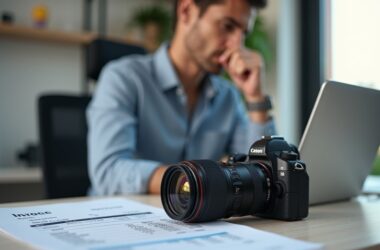
Your Lens, Your Livelihood: Why Skipping Insurance Could Cost You More Than You Think
If you enjoy photography, you probably already know how much effort and money it takes to build up your gear and skills. Whether you take pictures for fun or you’re working with clients, your camera is more than just a tool—it’s the heart of everything you do. But what happens if something goes wrong? What if your camera breaks or someone files a complaint after a photo shoot? A lot of people forget that photography isn’t just about creativity. There’s also risk. And if you’re not covered by insurance, those risks can turn into expensive problems—fast. Let’s talk about why having insurance is actually one of the smartest things any photographer can do, no matter how new or experienced they are. Accidents Happen—Even to Careful People It doesn’t matter how careful you are. All it takes is one second. Maybe your camera strap slips while you’re changing lenses. Or someone at an event bumps your tripod and your camera crashes to the ground. Things like this happen all the time, and they usually happen when you’re focused on getting the perfect shot. Replacing broken equipment is not cheap. A single lens can cost more than a laptop. If you don’t have insurance, paying for repairs or new gear comes straight out of your own pocket. And it’s not just your gear that could get damaged. If you’re working around people—especially kids or pets—there’s always a chance that someone trips over your equipment. If they get hurt, or if their property gets damaged, you might be the one held responsible. That can lead to legal problems you never saw coming. When Clients Are Unhappy (Even If You Did Nothing Wrong) Let’s say you finish a big photo shoot, and you’re proud of the results. But the client says the pictures aren’t what they expected. Maybe they blame you for bad lighting or missed moments. Even if you followed everything they asked for, they might still threaten to file a complaint or even sue you. This kind of situation is more common than you might think, especially in weddings, commercial work, or real estate. And when there’s money involved, people tend to take things seriously. Without insurance, defending yourself—legally or financially—can be really stressful and expensive. That’s where something like photography insurance can really help. It protects you not just from accidents, but also from things like client disputes, lost data, or damaged files. It gives you peace of mind so you can focus on your work, knowing that you’re not alone if something goes wrong. Insurance Isn’t Just for Full-Time Pros Some people think they don’t need insurance because they only shoot on weekends or once in a while. But the truth is, even one photo job can put you at risk. If you’re getting paid—or even offering photos for free—you can still face the same kinds of problems as a full-time professional. The moment you take on any job where someone else is relying on your work, things change. You’re no longer just a hobbyist—you’re providing a service. That means it’s your responsibility to make sure things go smoothly. And if they don’t, you could be held accountable. Insurance might seem like something for big studios or businesses, but it’s really for anyone who takes photography seriously. It’s like wearing a seatbelt—not because you expect an accident, but because you know it’s better to be prepared. What Can Insurance Actually Cover? Photography insurance usually includes two important types of protection. First, there’s coverage for your equipment. That means if your camera, lens, or lighting gear is lost, stolen, or damaged, you won’t have to pay the full price to fix or replace it. Second, there’s public liability coverage. That helps if someone makes a legal claim against you, like a client who says you ruined an important event, or someone who gets hurt during a shoot. In some cases, you can also get coverage for things like data loss, studio rentals, or travel-related problems. Every insurance policy is a little different, so it’s important to read the details. But in general, the main goal is the same: to protect your work, your gear, and your future. It’s About Being Responsible—and Staying Confident Having insurance doesn’t mean you expect to fail. It means you care enough about your work to make sure it’s safe. Just like backing up your files or keeping your gear clean, it’s a way to stay responsible and professional. When you know you’re covered, you can focus better. You stop worrying so much about what might go wrong and start doing your best work. That’s what confidence looks like—not hoping nothing bad happens, but knowing you can handle it if it does. Key Points to Remember If you take photography seriously, even just as a part-time job or growing hobby, insurance is something worth looking into. It protects your gear, your reputation, and your income. It helps you stay prepared, stay calm, and stay focused on doing what you love. It doesn’t mean you expect bad things to happen—it just means you’re ready if they do.