

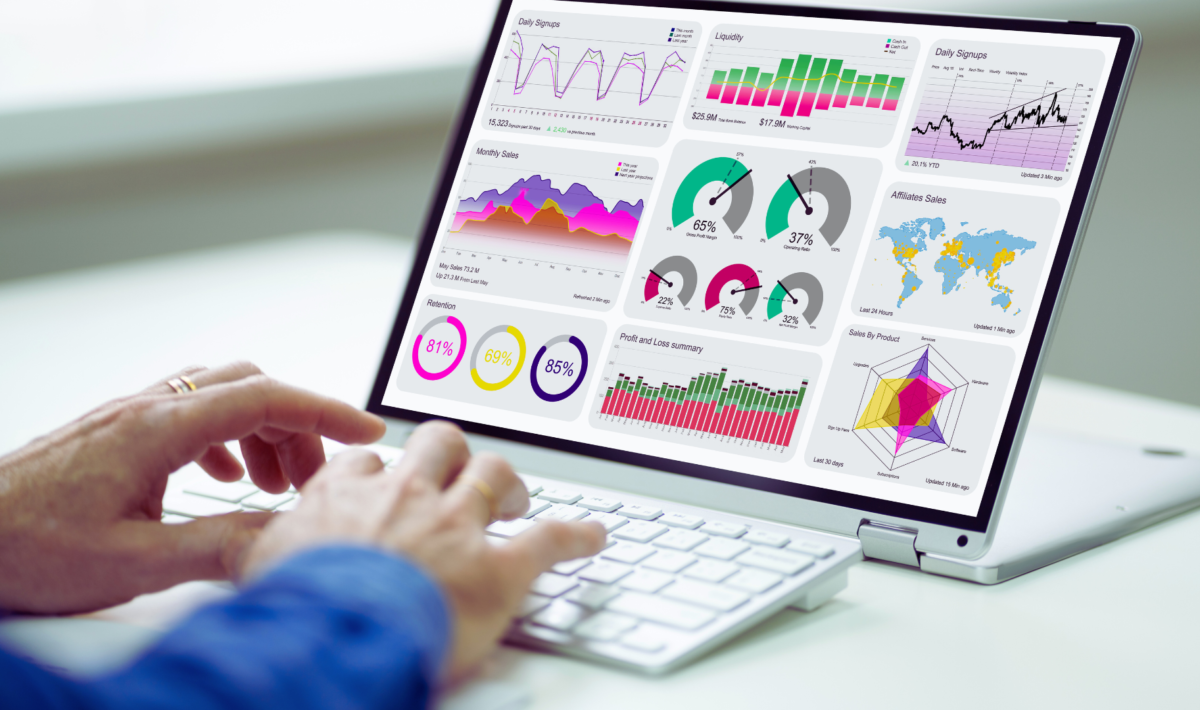
In today’s fast-paced business environment, leveraging data is crucial for effective decision-making. The best business analytics software empowers organizations to transform raw data into actionable insights, helping leaders make informed choices that drive success. Companies that adopt advanced analytics tools find themselves better equipped to identify trends and optimize operations.
With numerous options available in the market, choosing the right software can be daunting. It is essential to evaluate features such as data visualization, reporting capabilities, and integration with existing systems. By focusing on these elements, businesses can select the analytics solution that best meets their needs.
As organizations increasingly rely on data analysis, utilizing the right software becomes a strategic advantage. The tools available today not only enhance decision-making but also improve overall business performance. Exploring the best options will provide valuable insights into which solutions stand out in a competitive landscape.
Essential Features of Business Analytics Software
Business analytics software should incorporate essential functionalities that facilitate data management, advanced analytics, and visualization. Understanding these core features will enable users to select the most effective tools for their needs.
Data Management and Preparation
Effective data management is critical for accurate analysis. The software must support diverse data sources and types, enabling users to import, clean, and validate data efficiently.
Key features include:
- Data Integration: Compatibility with databases, spreadsheets, and cloud sources.
- Data Cleansing: Tools to identify and correct errors or inconsistencies.
- Data Modeling: Capabilities for structuring data; including creating relationships between different datasets.
These functions streamline the data preparation process, making it easier for users to focus on analysis rather than data cleaning.
Advanced Analytics Capabilities
Advanced analytics capabilities empower users to derive deeper insights from their data. Key functionalities include:
- Predictive Analytics: Utilizes statistical algorithms and machine learning techniques to forecast future outcomes.
- Statistical Analysis: Offers tools for hypothesis testing, regression analysis, and correlation studies.
- Machine Learning Algorithms: Enables automated pattern recognition and decision-making based on historical data.
These features allow users to uncover trends and make informed decisions backed by data science principles.
Visualization and Reporting Tools
Visualization tools help users interpret complex data through graphical representations. Essential features include:
- Interactive Dashboards: Customizable dashboards that display real-time data insights.
- Charts and Graphs: Various options including bar charts, line graphs, and heatmaps to visualize data effectively.
- Automated Reporting: The ability to generate reports set to a schedule, ensuring stakeholders receive timely updates.
With these tools, users can present data findings clearly, enhancing communication and decision-making processes.
Top Business Analytics Tools Overview
This section highlights various business analytics tools tailored to different organizational needs. Focus is given to solutions suited for large enterprises, optimal options for small businesses, and the role of emerging technologies.
Leading Software for Large Enterprises
Large enterprises often require robust business analytics software that can handle vast amounts of data. Tableau, Power BI, and Qlik Sense are among the front-runners in this category.
- Tableau excels in data visualization, allowing users to create interactive dashboards with ease.
- Power BI, integrated with Microsoft products, provides powerful analytics with user-friendly capabilities.
- Qlik Sense focuses on associative data modeling, making it easier to uncover insights across different data sources.
These platforms utilize artificial intelligence and natural language processing to enhance data analysis, enabling teams to make informed decisions quickly.
Optimal Solutions for Small Businesses
Small businesses benefit from analytics tools that are both cost-effective and simple to use. Options such as Zoho Analytics and SAP Analytics Cloud cater specifically to this demographic.
- Zoho Analytics offers an intuitive interface with drag-and-drop features, making it accessible to non-technical users.
- SAP Analytics Cloud combines business intelligence and predictive analytics, providing insightful forecasts for future trends.
These tools help small business owners leverage big data analytics to understand market trends and customer behavior without overwhelming complexity.
Emerging Technologies in Business Analytics
Emerging technologies are significantly influencing business analytics. Innovations in machine learning and data integration techniques are making analytics more powerful and accessible.
- Platforms are integrating these technologies to automate data processing and visualization.
- New tools leverage cloud computing, enhancing scalability and reducing operational costs.
These advancements enable businesses to stay competitive by extracting insights from massive datasets efficiently, ensuring they can adapt to ever-changing market conditions.
Integration and Ease of Use
A software’s ability to connect with other systems and its user interface significantly impact its effectiveness. Key elements include seamless connectivity and user-friendly experiences, which enhance customer satisfaction and streamline data analytics processes.
Seamless Connectivity with Other Systems
Effective business analytics software integrates smoothly with existing systems. This capability is essential for organizations that rely on various data sources.
Many solutions offer open APIs and support for multiple SQL dialects, allowing for easy connections to databases and applications. This flexibility enables users to pull data from various platforms, ensuring comprehensive analysis.
Embedded analytics further enhances integration by allowing analytics features within existing workflows. Cloud architecture adoption facilitates accessibility and real-time data sharing, which is crucial in today’s fast-paced environment. The right software allows businesses to create integrated solutions that meet unique needs without unnecessary complexity.
User-Friendly Interfaces and Support
Ease of use is critical for ensuring staff can maximize the software’s potential. User-friendly interfaces improve engagement and reduce the learning curve. Intuitive design promotes effective navigation, allowing users to access analytics quickly.
Support features, such as natural language search, empower users to formulate queries without needing extensive technical knowledge. This makes advanced analytics accessible to non-technical staff.
Robust documentation and customer support channels contribute to user satisfaction. Regular updates and training options ensure users stay informed about new features. Combining these elements creates an environment where teams can efficiently analyze data and make informed decisions.
Strategic Decision-Making with Analytics
Effective decision-making in business relies heavily on optimizing data and analytics. By leveraging business intelligence (BI) tools, organizations can transform raw data into actionable insights, significantly improving their overall strategy.
From Insights to Action
Data-driven decisions become possible through actionable reports generated by analytics software. Companies analyze historical trends to identify patterns and inform future strategies.
These insights can guide resource allocation, target marketing efforts, and enhance operational efficiency.
Key components of this process include:
- Cost considerations: Evaluating financial impacts before implementing decisions.
- Detailed reporting: Creating reports that summarize data findings clearly.
Moreover, the alignment of analytics with business objectives ensures that actions taken are not only informed but also strategically relevant.
Future Trends and Forecasting
Predictive analytics software is increasingly vital for strategic planning. Organizations can forecast future trends based on vast datasets, allowing for proactive strategy development.
Emerging trends in analytics involve integrating artificial intelligence, which enhances forecasting accuracy.
Specific advantages include:
- Enhanced accuracy in predictions: Using advanced algorithms to process substantial data.
- Scenario analysis: Evaluating multiple future scenarios to inform strategic choices.
Understanding these factors helps businesses adapt quickly to market changes, ensuring long-term success and competitiveness.
